Short answer: A direct booking means a guest reserves through the hotel's own website, phone or front desk — paying the hotel 0% commission — instead of through an OTA that charges 15–25% per booking. Hotels grow direct bookings with three moves: rank for their own name and location on Google (a Google Business Profile that links to the booking engine, plus location and experience pages), run a genuinely bookable brand website with real rates and availability, and appear on metasearch like Google Hotel Ads so the direct rate sits beside the OTA rate at the moment of decision. The math makes it worth the effort: an 18% commission on a two-night ₹6,000 room costs the hotel ₹2,160 per stay — margin that direct bookings keep in the property. Every direct booking also keeps the guest's contact details — the next stay's marketing channel.
OTAs like Booking.com and MakeMyTrip are powerful discovery engines. They are also expensive landlords: 15–25% of every booking in India, per Cloudbeds' OTA commission guide — plus ownership of your guest's email, phone and future stays.
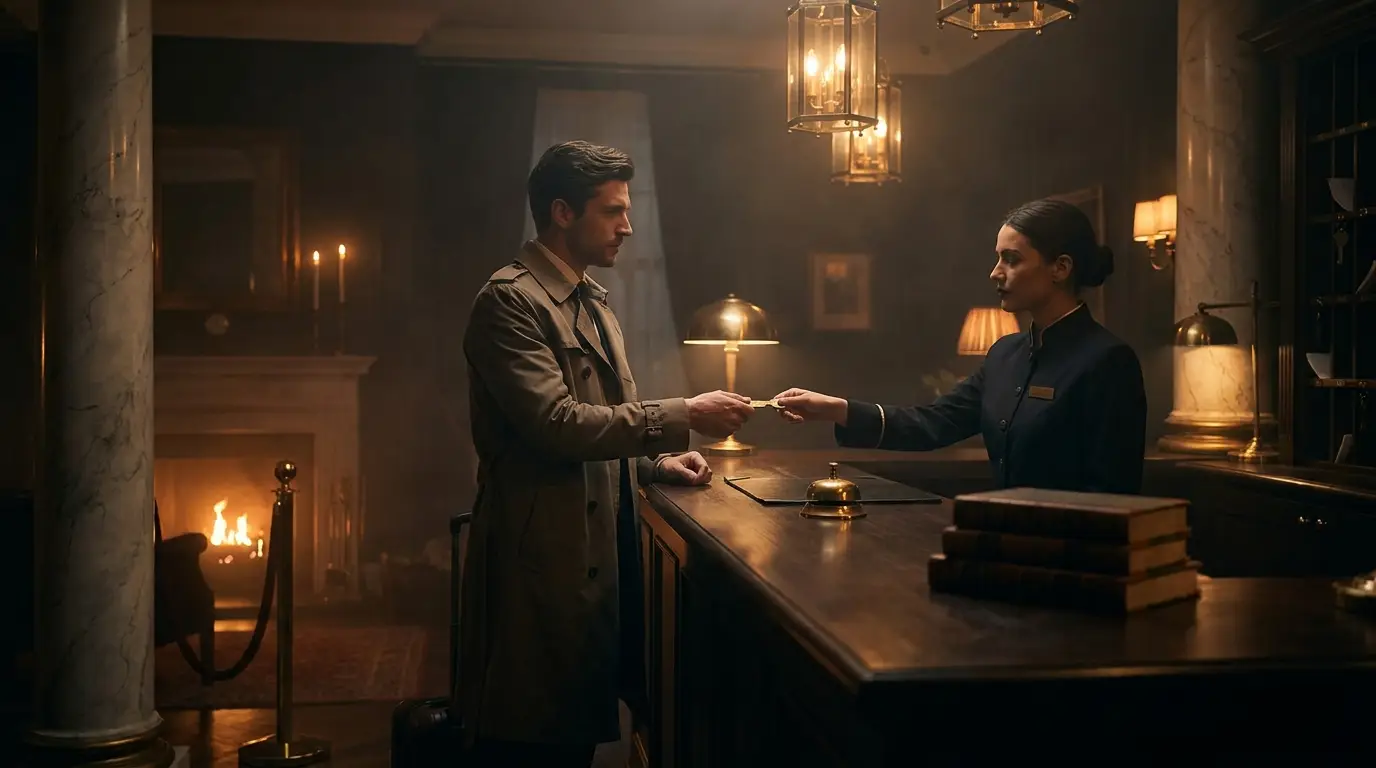
What does an OTA booking really cost a hotel?
An 18% OTA commission on a two-night ₹6,000 room costs the hotel ₹2,160 per stay. Here is the same math line by line:
| Line | Amount |
|---|---|
| Booking value | ₹12,000 |
| OTA commission (18%) | −₹2,160 |
| You keep | ₹9,840 |
Now the same guest books direct next time: you keep the full ₹12,000, and you own their contact details for the stay after that. The first booking may be worth the toll. The tenth should not be.
Why direct booking is a marketing problem, not a discount war
Many hotels try to win direct bookings by undercutting OTA rates. That triggers rate-parity issues and trains guests to hunt for discounts. The durable win is being findable and bookable directly — so the guest chooses you, not a coupon.
Move 1 — Own your branded and local search
When a guest searches your hotel's name or "[destination] cliff stay", the top results should be yours, not an OTA reselling your rooms. That means:
- A Google Business Profile that ranks and links to your booking engine
- Location and experience pages ("things to do near [hotel]") that pull in planners
- Schema and fast pages so Google trusts and surfaces you
Move 2 — Make the brand site genuinely bookable
A brochure site loses the booking. You need a real booking engine, mobile-fast, with rates and availability that match reality. If booking direct is harder than the OTA, guests default to the OTA.
Move 3 — Show up on metasearch
Metasearch (Google Hotel Ads, Trivago) lets guests compare your direct rate beside the OTAs at the moment of decision. Presence here recaptures guests the OTA would otherwise keep.
What shifting the mix is worth
Every booking moved from OTA to direct turns a commission line back into margin — money that funds renovation, staff, or simply profit. Kadu Stays, the Kerala Ayurvedic retreat in our Confessions, runs on exactly this playbook: an immersive direct-booking site that sells its one-of-a-kind mud bath the way no OTA listing ever could, with reservations managed from the retreat's own dashboard.
FAQ
What commission do OTAs charge hotels in India?
Most OTAs operating in India charge 15–25% per booking, varying by platform and agreement: Booking.com typically 15–18%, MakeMyTrip/Goibibo 15–25%, Agoda 15–22% (Cloudbeds). "Preferred partner" and visibility programs add another 3–5% in exchange for higher ranking. On a ₹12,000 stay, that means ₹1,800–₹3,000 leaves before the guest checks in.
Should a hotel leave OTAs completely?
No — OTAs are genuine discovery, especially for guests from cities and countries where your brand means nothing yet. The winning structure is a funnel: the OTA delivers the first stay, and your Google presence, bookable website and guest-data follow-up win every stay after it at 0% commission. Delisting entirely just makes you invisible to new guests.
How can a small hotel increase direct bookings without a big budget?
Start with the free assets: a complete Google Business Profile linked to your booking engine, correct rates on your own site (never worse than the OTA rate), and a WhatsApp or email follow-up asking every departing guest to book direct next time. Metasearch and ads come later; most small properties see the first direct-share gains from Google and the guest-data loop alone.
Want the direct-booking engine built for your property? Book a free call. Flat pricing, no lock-in.