Short answer: Restaurants escape aggregator commissions by building a direct-order channel — a Google Business Profile that ranks in the map pack, a fast mobile ordering page, and a review + WhatsApp loop that turns first-time app customers into repeat direct customers. The math is the motivation: on a ₹500 order at 20% commission, ₹100 is gone before you pay for ingredients, staff or rent — and industry reporting puts effective aggregator charges at 18–30% of order value once fees and taxes stack up. The escape has four steps: own your Google Business Profile so locals find you directly, give people a direct way to order in two taps, convert app customers with a QR insert and a WhatsApp reorder list, and keep the apps for discovery only. Zomato and Swiggy handle the first order; every order after that should cost you 0%.
Restaurants hand over roughly 18–30% of each order once commission, platform fees and taxes are added — the average effective rate is around 24–25%, and new restaurants often sign up at 28–30% (Business Standard). On thin restaurant margins, that is often the difference between a profitable month and a break-even one. The apps are not the enemy — they are discovery. The mistake is letting them own the customer you already earned.
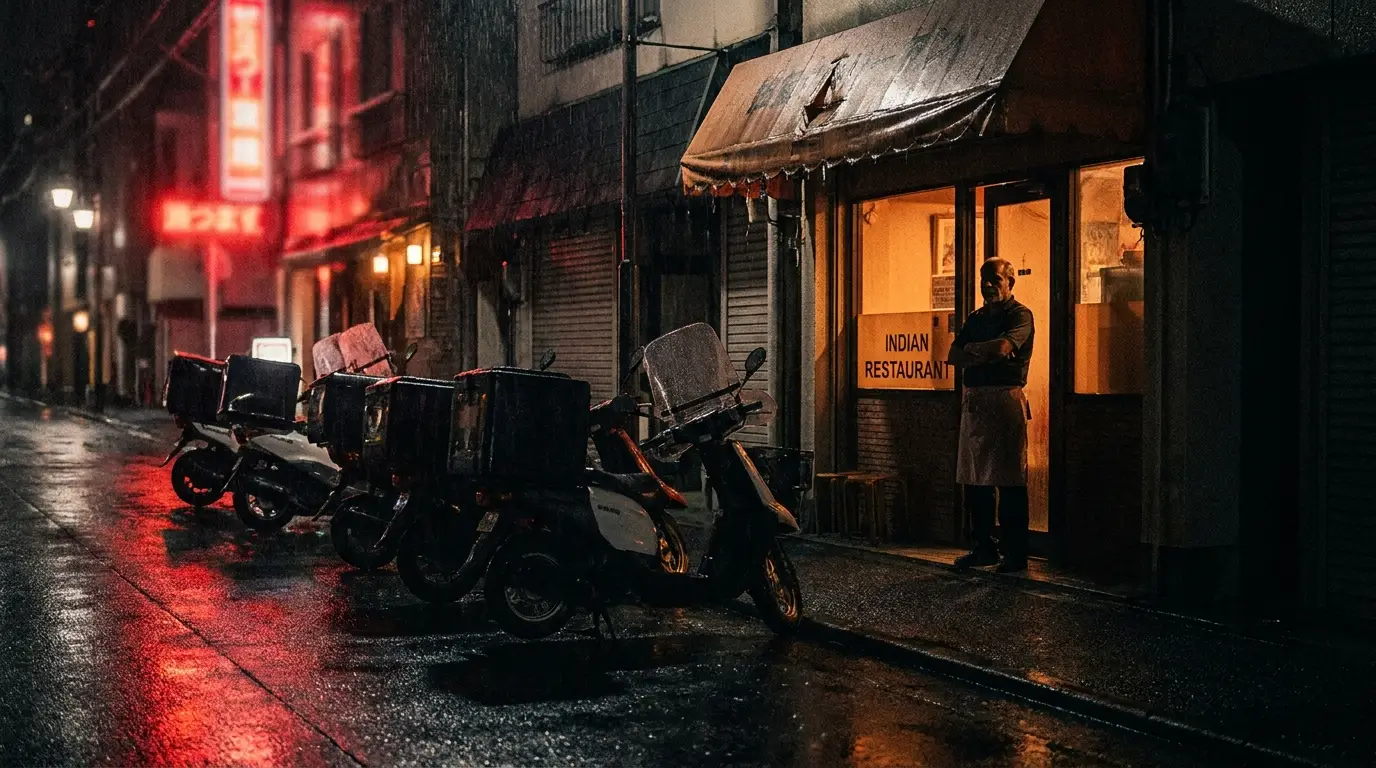
How much do Zomato and Swiggy commissions really cost?
A ₹500 order on a 20% commission loses ₹100 before you account for ingredients, staff or rent. Win that same customer directly and the ₹100 stays in your pocket — every time they reorder, forever. The goal is not to leave the apps. It is to stop paying a toll on customers who already know your name.
Step 1 — Own your Google Business Profile
When someone searches "cafés near me" or "best biryani in [area]", Google's map pack decides who gets the call. A fully optimised Google Business Profile is the single highest-return move for a restaurant:
- Correct categories, hours, menu and ordering link
- Real photos of food and space, refreshed monthly
- A steady flow of recent reviews (see Step 3)
- Posts for offers and new dishes
Most independent restaurants have a half-filled profile. Fixing it often lifts direct discovery within weeks.
Step 2 — Give people somewhere to order directly
A Google listing that sends people back to Zomato defeats the purpose. You need a direct-order page — even a simple one — that loads fast on mobile and takes an order or a WhatsApp message in two taps. Options range from a lightweight ordering page to a WhatsApp catalogue. The rule: fewer taps than the app, and no commission.
Step 3 — Turn app customers into direct regulars
Every delivery is a chance to convert. A small insert or QR code that says "Order direct next time — same price, faster, and you help us skip the 20% fee" moves your best customers off the toll road. Pair it with:
| Tactic | What it does |
|---|---|
| Review request after delivery | Boosts your map-pack ranking |
| WhatsApp order list | A 0% commission reorder channel |
| Regulars offer | A reason to come direct, not via app |
Step 4 — Keep the apps for what they're good at
Discovery. New customers who have never heard of you still find you on Zomato — that is worth a commission. The strategy is a funnel: apps for the first order, direct for every order after.
What "good" looks like in 90 days
- Google Business Profile ranking in the local map pack for your cuisine
- A direct-order channel handling a growing share of repeat orders
- Reviews trending up week over week
FAQ
What commission do Zomato and Swiggy charge restaurants?
Base commissions average around 18–19% of order value, but once platform fees, payment gateway charges and GST are added, the effective rate for most restaurants lands near 24–25% — and newly onboarded restaurants frequently pay 28–30% (Business Standard). Rates vary by city, order volume and negotiation, which is why two restaurants on the same street can pay very different tolls for the same delivery.
Can I leave Zomato and Swiggy entirely?
You can, but for most restaurants it's the wrong move. The apps are genuine discovery engines — new customers who have never heard of you still find you there. The profitable strategy is a funnel, not an exit: let the aggregators bring the first order, then convert that customer to your 0%-commission direct channel with a QR insert, a WhatsApp list and a reason to come back direct.
How long does it take to build a direct-order channel?
The plumbing — an optimised Google Business Profile, a two-tap ordering or WhatsApp page, and a review loop — takes two to four weeks to set up. Moving meaningful order share takes longer: expect the direct share to build over one to three months as app customers convert with each delivery.
This is the same direct-channel playbook behind the client work in our Confessions. If you'd rather we build the whole funnel for you, book a call — it's free, and there's no lock-in.